Keyhole surgery for diagnosis and treatment
Knee arthroscopy allows Mr Paul Jermin to see inside your knee and treat what he finds through incisions just a few millimetres across. With over 200 procedures performed each year (and over 2000 in total), it is one of the most common and most versatile operations in his work.
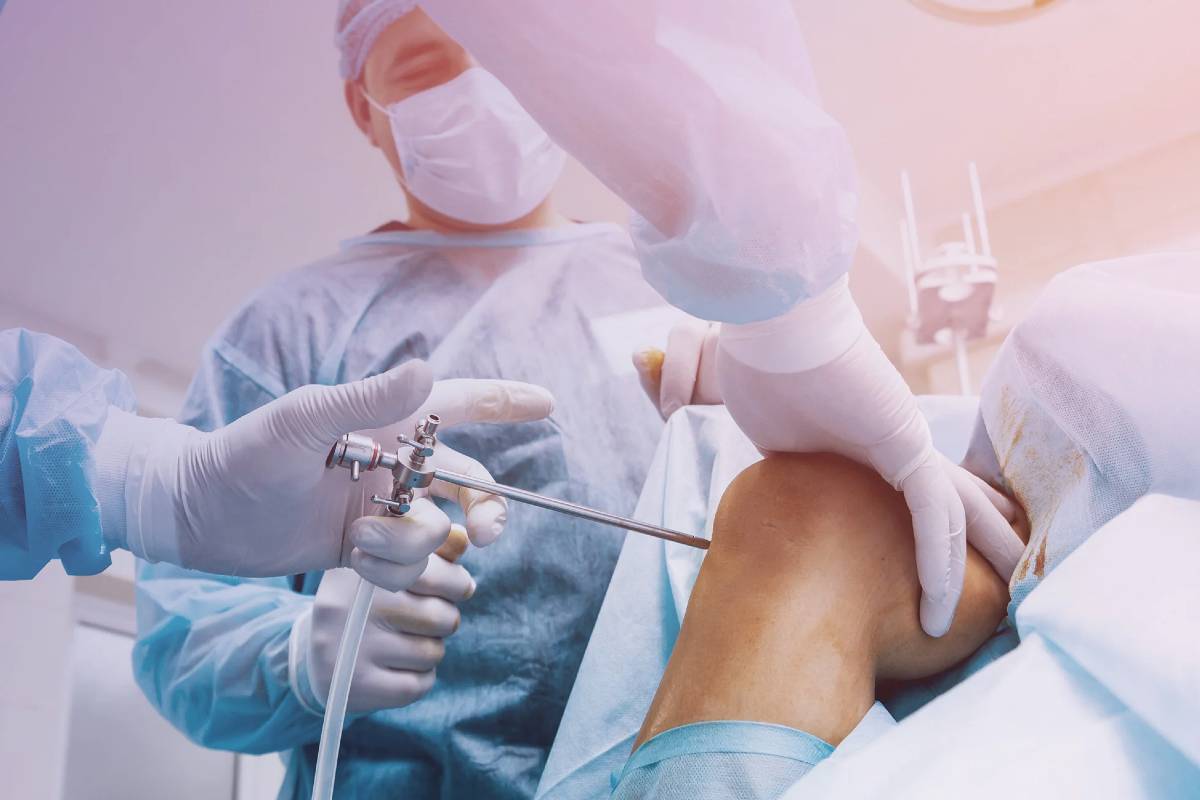
Knee arthroscopy is a minimally invasive technique in which a small camera is inserted into the knee joint through a small incision, allowing diagnosis and treatment without opening the joint fully. Mr Paul Jermin performs over 200 knee arthroscopies each year.
The procedure is used to diagnose and treat a wide range of conditions including:
- Torn or damaged meniscus (meniscectomy or meniscal repair)
- Cartilage damage and loose bodies within the joint
- Inflamed synovial tissue (synovectomy)
- Certain ligament injuries
Because incisions are small, arthroscopy typically carries a faster recovery than open surgery, with many patients returning home the same day. It is performed under general or regional anaesthesia.
- Day case procedure
Is this treatment for you?
Your Journey
Mr Jermin will discuss your symptoms, examine your knee, and review any imaging you have already had.
An MRI is usually arranged to assess the meniscus, cartilage, and soft tissue before deciding whether arthroscopy is appropriate.
Mr Jermin will explain what he expects to find, what he can treat during the procedure, and what the alternatives are.
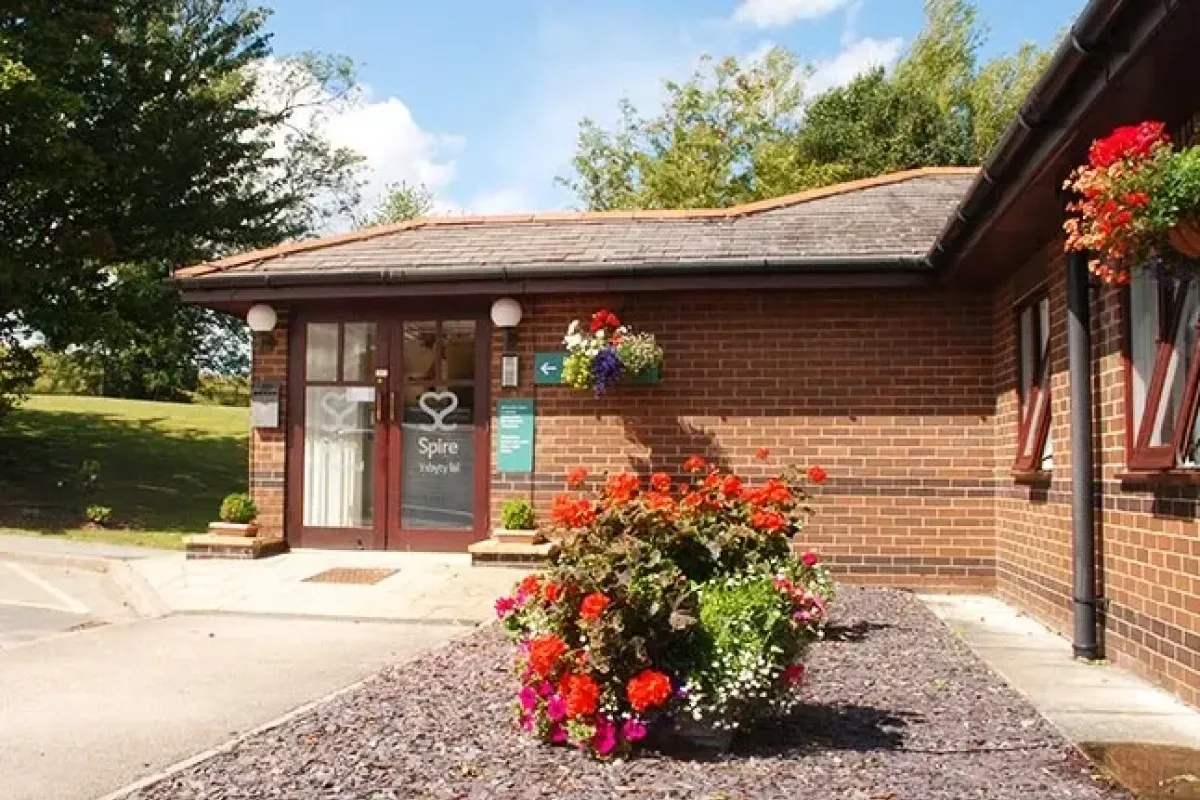
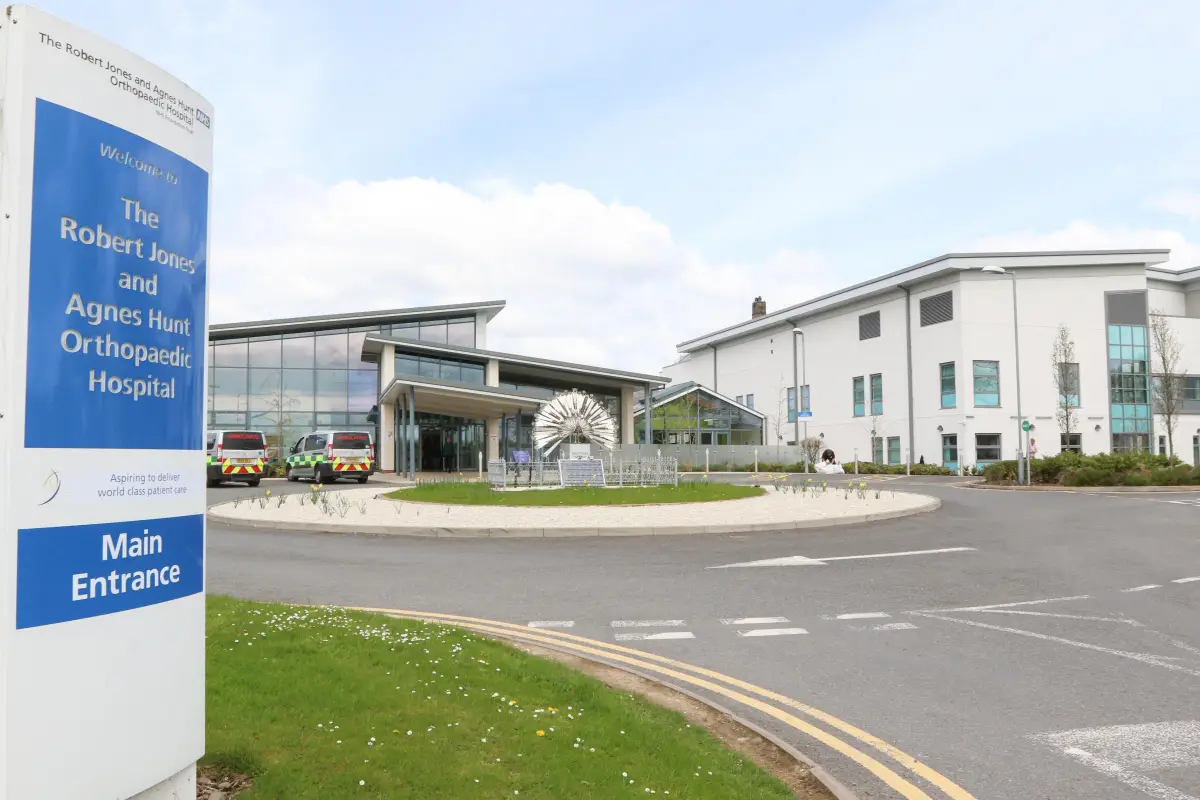
Arthroscopy is performed under general or regional anaesthesia at RJAH Oswestry (NHS) or Spire Yale Hospital, Wrexham (private). Most patients go home the same day.
Recovery is usually quicker than open surgery. A physiotherapy programme supports your return to normal activity.
Mr Jermin
130
knee replacements per year
200
knee arthroscopies per year
30
ligament reconstructions per year
25
osteotomies per year
25
cartilage procedures per year
3
injection treatments offered
15
years of specialist knee experience
2
consultant hospital posts
Hospitals