Repairing and restoring damaged cartilage
Once injured, articular cartilage has limited ability to repair itself. This can lead to problems with pain, swelling, feelings of giving way & (occasionally) problems with moving your knee.
There are a number of different ways in which you can treat these problems. Paul has been involved in the creation of ‘cartilage centres’ around the UK where you can be offered the ‘gold standard’ treatment, something only about 10 centres in the UK can offer.
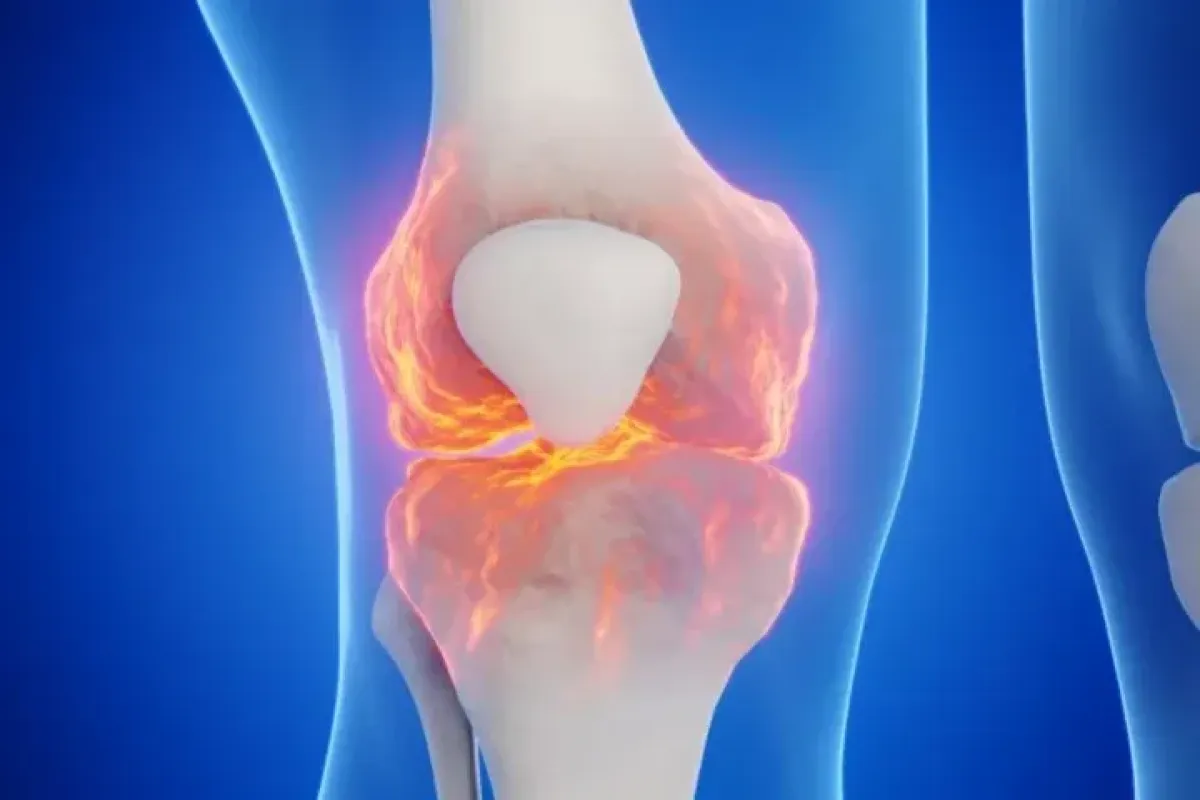
Cartilage damage does not heal reliably on its own. Left untreated, defects can worsen and lead to early-onset arthritis. Mr Paul Jermin performs many cartilage regenerative procedures each year and has been involved at national level in commissioning policies for osteochondral allografts and focal knee resurfacing. He also chairs a monthly national complex cartilage meeting drawing specialists from across the UK.
Procedures available include:
- ACI / MACI – cell-based techniques that grow new cartilage tissue. These are considered the gold standard for treating cartilage defects above a certain size. Oswestry has one of the largest series of people treated with this method in the world and the team are world leaders in research in this field.
- Osteochondral allograft transplantation – transplants healthy cartilage and bone from a donor to replace a larger defect. Again, this is considered ‘gold standard’ for treating cartilage problems that involve the underlying bone. Paul was involved in the national commissioning document that allowed us to perform these in the UK.
- Cartiheal – Paul is the first person in the UK to perform this novel procedure involving insertion of a coral based plug. The early evidence for this is excellent but we are still looking to increase our understanding of this novel procedure.
- Focal knee resurfacing – replaces a localised area with a metal implant
The right approach depends on the size, location, and cause of the damage, alongside your age, activity level, and goals.
- All regenerative techniques offered (transplant, resurfacing, ACI/MACI etc)
Is this treatment for you?
Your Journey
Mr Jermin will assess your symptoms and examine your knee, and review any imaging showing the extent and location of the damage.
An MRI maps the size, depth, and position of the defect. This determines which regenerative techniques are suitable. He will likely take an X-ray that looks at the overall shape of your leg (called a long limb alignment film).
Mr Jermin will explain the options – from leaving it be through to allograft transplantation or cell-based techniques – and which best suits your defect, age, and activity level.
The procedure is carried out at RJAH Oswestry (NHS) or Spire Yale Hospital, Wrexham (private). Some cell-based techniques are staged across two operations.
New cartilage takes time to mature. A carefully staged rehabilitation programme protects the repair while restoring movement and strength.
Mr Jermin
130
knee replacements per year
200
knee arthroscopies per year
30
ligament reconstructions per year
25
osteotomies per year
25
cartilage procedures per year
3
injection treatments offered
15
years of specialist knee experience
2
consultant hospital posts
Hospitals