Anterior cruciate ligament (ACL) injury is among the most feared diagnoses for any active person. The ACL is the primary stabiliser of the knee against rotational and anterior forces, and when it ruptures — typically through a sudden change of direction, landing from a jump, or contact injury — patients describe an immediate sense of the knee giving way, often accompanied by a loud pop and rapid swelling.
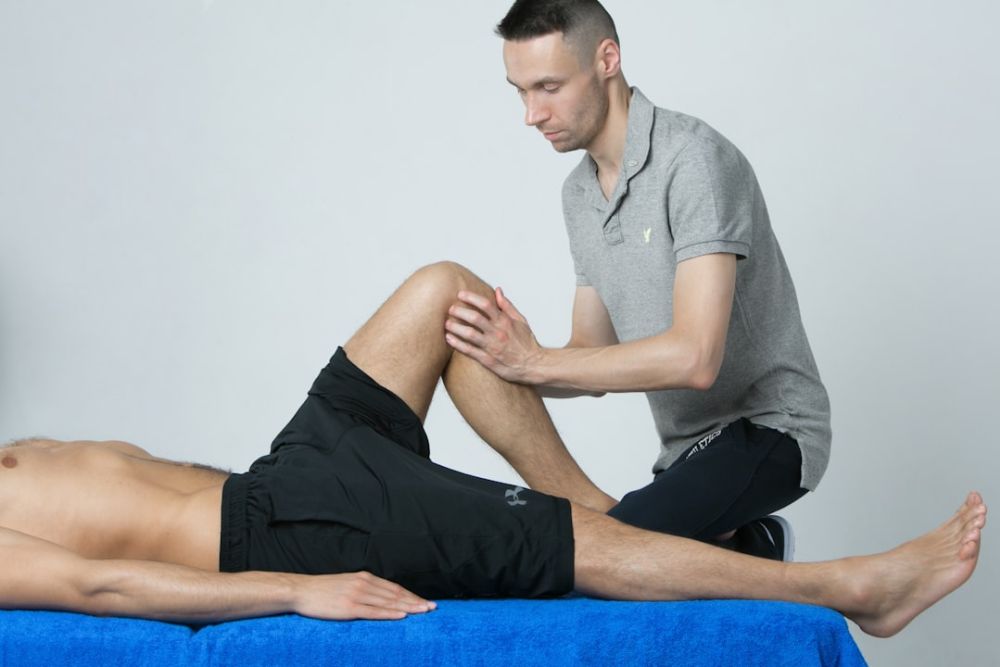
Surgical reconstruction is not always necessary, and a period of supervised physiotherapy is often recommended in the first instance to allow swelling to settle and to assess the knee’s functional stability. For patients who wish to return to cutting, pivoting, or contact sports, however, reconstruction provides significantly better long-term outcomes than conservative management alone.
The procedure involves replacing the torn ligament with a graft, most commonly harvested from the patient’s own hamstring tendons or the central third of the patellar tendon. Both techniques have extensive evidence supporting their effectiveness, and graft choice is tailored to the individual’s anatomy, sporting demands, and preference.
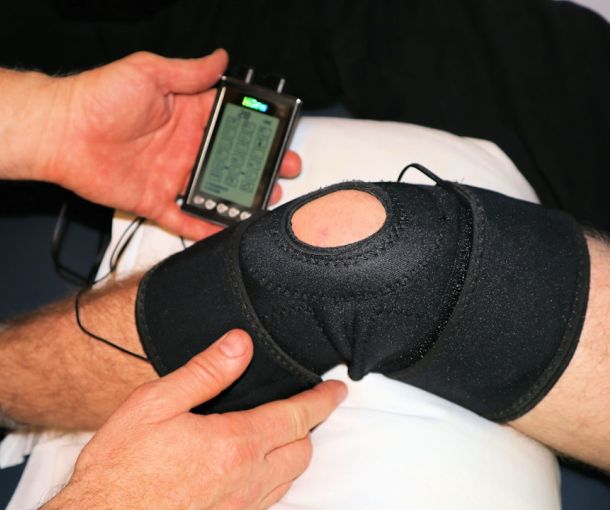
Rehabilitation following ACL reconstruction is a nine-to-twelve-month commitment. Formal return-to-sport criteria, including strength testing and neuromuscular assessments, should be met before an athlete resumes competitive play. Returning too early carries a substantially elevated risk of re-rupture, which can have a lasting impact on long-term knee health.